
A vehicle does not need professional paint correction on a fixed schedule. The right frequency depends on the paint condition, washing habits, driving environment, storage, and the extent of surface correction needed. For many vehicles, periodic inspection and proper maintenance are more important than scheduling correction every year.
What Is Professional Paint Correction?
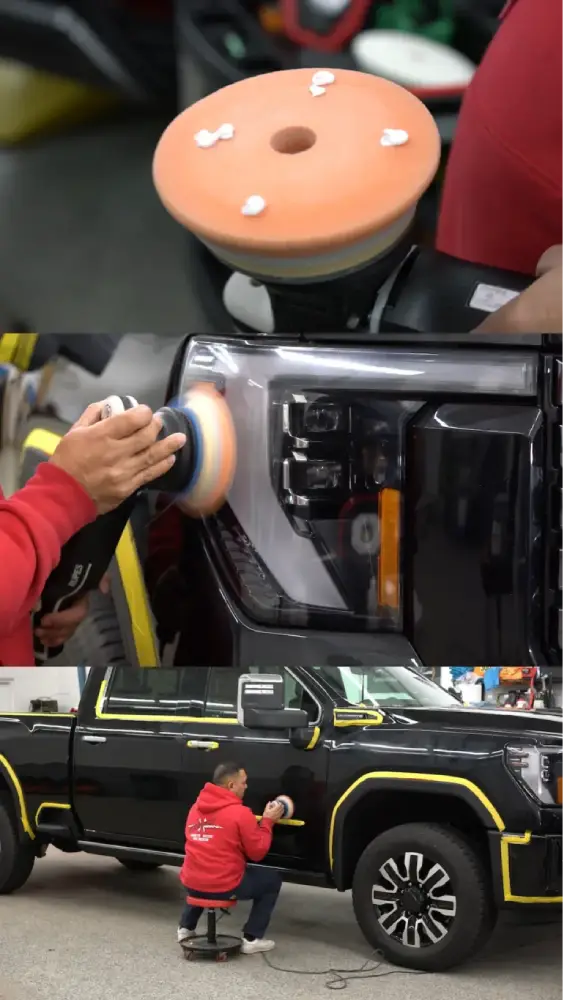
Professional paint correction is a machine-polishing process designed to reduce or remove paint defects such as swirl marks, marring, oxidation, haze, and certain scratches.
Unlike a routine wash or detail, correction focuses specifically on refining the paint surface. The amount of correction required depends on the severity of the defects and the condition of the clear coat.
Xtreme Auto Glass & Window Tint describes its approach to paint correction in Villa Park, IL, as focused on improving clarity, sharpness, and depth, while using technical judgment to avoid unnecessary correction. Its service offerings include different correction levels based on the vehicle’s condition.
How Often Should Paint Correction Be Done?
For most vehicles, professional paint correction should be performed when the paint condition requires it, rather than on a strict annual schedule.
A vehicle that is carefully washed, properly maintained, and stored indoors may go several years without needing another major correction. A daily driver exposed to automatic car washes, road contaminants, harsh weather, or improper washing techniques may develop defects sooner.
General Frequency Guide
| Vehicle Condition | Potential Correction Frequency |
| Carefully maintained vehicle | Every few years or as needed |
| Daily driver with moderate wear | Periodic inspection and correction as needed |
| Frequently exposed to harsh conditions | May require correction sooner |
| Poor washing practices | Defects may return more quickly |
| Severely neglected paint | Initial correction may require multiple stages |
These are general guidelines rather than fixed intervals. Paint should be evaluated before deciding whether another correction is appropriate.
What Factors Determine Correction Frequency?
Several factors influence how quickly paint develops defects.
Washing Technique
Improper washing is one of the most common ways to reintroduce surface marring. Dirty wash media, aggressive contact, or dragging contaminants across the paint can create fine scratches and swirl marks.
Using appropriate washing methods and clean equipment can help preserve the results of previous correction work.
Vehicle Usage
A daily-driven vehicle generally experiences more environmental exposure than a weekend vehicle.
Regular highway driving can expose paint to road debris, dust, bugs, and other contaminants. Frequent use increases the likelihood of surface defects developing.
Storage Conditions
A vehicle stored outdoors is exposed to sunlight, weather, airborne contaminants, and temperature changes more frequently than one kept in a controlled garage.
Storage does not eliminate the need for maintenance, but it can influence how quickly the finish changes.
Existing Paint Condition
The starting condition of the paint matters. A vehicle with significant oxidation, scratches, or accumulated marring may require more extensive correction initially.
Xtreme’s service information notes that its multi-stage correction is tailored to the vehicle and can address defects such as swirl marks, scratches, and other imperfections.
Paint Hardness And Clear Coat
Different factory finishes respond differently to polishing. Paint hardness, clear coat condition, and defect severity all influence the appropriate correction strategy.
More aggressive correction is not automatically better. Removing unnecessary clear coat simply to achieve a visually perfect finish can be counterproductive.
What Are Signs That Your Vehicle Needs Paint Correction?
You may need to consider professional correction when you notice:
- Swirl marks under direct lighting
- Fine scratches across multiple panels
- Dull or hazy paint
- Noticeable oxidation
- Reduced clarity and gloss
- Wash-induced marring
- Uneven appearance between panels
A useful test is to inspect the vehicle under strong, controlled lighting. Defects that are difficult to see in shade can become much more obvious under direct illumination.
For example, a vehicle driven around Ardmore may look clean after a routine wash but still show fine marring when inspected under proper lighting. The important question is not whether the vehicle is clean, but whether the paint surface remains visually refined.
Does Paint Correction Need To Be Done Every Year?
No. Annual paint correction is not automatically necessary.
Correction removes or levels a controlled amount of the clear coat to improve the surface. Repeating aggressive correction without a genuine need can unnecessarily reduce available clear coat.
A better strategy is to maintain the corrected finish and have the paint evaluated when visible defects begin to affect its appearance.
Routine maintenance detailing can often address contamination and preserve the finish without requiring another full correction.
Can Proper Maintenance Extend The Time Between Corrections?
Yes. Proper maintenance can help preserve the results of professional correction.
Important practices include:
- Use clean microfiber wash media
- Avoid aggressive automatic brushes
- Wash using appropriate techniques
- Remove bird droppings and other contaminants promptly
- Avoid wiping heavily contaminated surfaces without lubrication
- Dry the vehicle using suitable materials
- Protect the vehicle from unnecessary environmental exposure
Professional detailing can also help maintain the finish between paint correction in Villa Park services.
One-Stage Vs. Multi-Stage Correction: Does It Affect Frequency?
Yes. The correction level should match the condition of the paint and the owner’s expectations.
One-Stage Correction
A one-stage process is generally intended for lighter defects and overall gloss improvement. It may be appropriate when the paint has moderate marring but does not require extensive correction.
Multi-Stage Correction
Multi-stage correction involves more extensive polishing and is generally considered when the paint has heavier or more widespread defects.
Xtreme explains that the appropriate correction level depends on factors including defect severity, clear coat thickness, paint hardness, and the desired result.
The goal should always be appropriate correction, not maximum correction.
A Common Myth: More Paint Correction Means Better Paint
More correction is not necessarily better.
The purpose of professional correction is to improve the appearance of the finish while making sensible decisions about how much material should be removed. Some scratches may be too deep to eliminate completely safely.
An experienced technician may instead reduce the visibility of a defect rather than aggressively chase complete removal.
This approach can help preserve the long-term condition of the paint.
Should You Get Paint Correction Before Ceramic Coating?
Paint correction is often performed before a professional coating because surface preparation can influence the final appearance and bonding process.
Xtreme’s ceramic coating packages include different levels of paint correction services in Villa Park, IL before coating application, with the selected level depending on the package.
However, the appropriate preparation depends on the vehicle’s condition. A vehicle with relatively clean, well-maintained paint may require less correction than one with extensive defects.
How Can You Know When Your Vehicle Needs Correction?
A professional inspection is the most reliable way to determine whether correction is appropriate.
An evaluation should consider:
- Paint clarity
- Swirl marks
- Scratches
- Oxidation
- Surface contamination
- Previous polishing
- Clear coat condition
- Desired appearance
If you live near South Villa Park or regularly drive through the surrounding area, your vehicle’s exposure and maintenance routine should be considered rather than using a generic annual schedule.
Final Takeaway
Professional paint correction should be based on paint condition rather than a fixed calendar schedule. Vehicles with proper washing and maintenance may need correction only occasionally, while daily drivers exposed to improper washing and environmental contaminants may require it sooner.
The best way to determine the right interval is to inspect the paint, identify the defects, and choose the least-aggressive correction method that achieves the desired improvement.
Xtreme Auto Glass & Window Tint provides professional paint correction, detailing, ceramic coating, paint protection film, window tint, and other automotive services. Its approach emphasizes surface preparation, technical judgment, and controlled execution.
If you are considering a paint correction service in Villa Park, contact us to have your vehicle’s paint evaluated and determine what level of correction is appropriate.
People Also Ask
How often should a car get professional paint correction?
There is no universal schedule. Many properly maintained vehicles can go several years between major corrections, while heavily used or poorly maintained vehicles may need attention sooner.
Can paint correction damage clear coat?
Improper or unnecessarily aggressive polishing can remove more clear coat than necessary. Professional correction should be performed according to the condition of the paint.
Is paint correction the same as car detailing?
No. Detailing focuses on cleaning and maintaining the vehicle, while paint correction specifically targets paint defects through controlled polishing.
Does paint correction remove deep scratches?
Some scratches can be significantly reduced, but those that penetrate too deeply may not be safely removed by polishing alone.
How do I know if I need paint correction?
Visible swirl marks, marring, oxidation, haze, scratches, and reduced paint clarity are common reasons to have the finish professionally evaluated.