
Poor-quality window tint bubbles, peels, or turns purple because its adhesive and dye layers degrade when exposed to heat, UV radiation, and environmental cycling. As adhesives weaken, the film loses its bond with glass, leading to bubbling and edge lifting. At the same time, unstable dyes chemically break down, causing discoloration that often appears purple or reddish. Installation quality can influence how quickly this happens, but material composition is the primary factor.
Understanding How Window Tint Is Built (And Why It Fails)
Automotive window tint is a laminated polymer system designed to control solar energy, reduce infrared heat, and block ultraviolet radiation. It is typically made up of multiple engineered layers bonded together under pressure.
A simplified structure includes:
- A scratch-resistant top coat
- A polyester base film
- A UV-blocking layer
- A dye, carbon, or ceramic layer
- A pressure-sensitive adhesive layer
When any of these layers are poorly manufactured or improperly bonded, the entire system becomes vulnerable to environmental stress. Over time, this leads to the visible failures drivers commonly notice: bubbling, peeling, and discoloration.
In real-world conditions, especially in vehicles exposed to daily sun cycles, these failures are not random; they follow predictable patterns of material breakdown.
Why Tint Failure Happens: Core Mechanisms
1. Adhesive Failure from Heat Cycling
One of the most common reasons for bubbling or peeling is adhesive degradation.
Inside a parked vehicle, temperatures can exceed 140°F (60°C). When this happens repeatedly, the adhesive layer undergoes cycles of expansion and contraction. Low-grade adhesives cannot maintain molecular stability under these conditions.
As a result:
- The bond between film and glass weakens
- Moisture begins to infiltrate microscopic gaps
- Air pockets expand into visible bubbles
- Edges begin to lift over time
This process is gradual but irreversible once it starts.
2. UV-Induced Dye Breakdown
Dyed window films are especially vulnerable to ultraviolet radiation. These films rely on organic pigments that are not chemically stable over long periods.
As UV exposure continues:
- Dark pigments degrade at different rates
- Color balance becomes uneven
- The film shifts toward purple or reddish tones
This is not surface contamination or dirt buildup. It is internal chemical oxidation within the film structure itself.
3. Layer Separation (Delamination)
High-quality tint films are manufactured using strong lamination bonding between layers. Low-quality films often lack this precision.
When delamination occurs:
- Internal layers begin to separate
- Light refraction becomes inconsistent
- The film appears cloudy or hazy
- Optical distortion becomes visible from inside the vehicle
Once delamination starts, replacement is the only solution.
4. Installation Contamination and Curing Failure
Even a good film can fail prematurely if installation practices are not precise.
Common installation-related issues include:
- Dust trapped beneath the film
- Improper glass cleaning before application
- Excess moisture trapped during squeegeeing
- Premature window operation before curing
These issues create weak points that expand over time as heat activates trapped moisture or air pockets.
Real-World Observation from Automotive Environments
In professional automotive service settings, tint failures show consistent patterns tied to environment and material quality rather than random defects.
For example, vehicles evaluated in heat-heavy residential parking areas showed early adhesive fatigue after prolonged exposure to direct sunlight. In one case involving window tinting in Addison, IL, technicians observed that rear glass panels deteriorated faster due to sustained thermal load and limited airflow for cooling compared to side windows.
These patterns reinforce a key principle in automotive protection: tint performance is determined more by environmental stress and material engineering than by cosmetic appearance at the time of installation.
Performance Comparison: High-Quality vs Low-Quality Tint
| Feature | Ceramic/Carbon Tint | Dyed Film (Low Quality) |
| UV Resistance | High stability | Breaks down over time |
| Heat Rejection | Strong infrared blocking | Minimal thermal control |
| Color Stability | Long-term neutral tone | Turns purple or reddish |
| Adhesive Strength | Automotive-grade bonding | Weak pressure adhesive |
| Lifespan | 8–15+ years | 1–3 years |
| Optical Clarity | Maintains clarity | Becomes hazy or distorted |
Environmental Stress: Why Vehicles Accelerate Tint Failure
Cars create a uniquely aggressive environment for materials. Unlike static glass installations, automotive tint is constantly subjected to:
- Daily heating and cooling cycles
- Direct UV exposure through angled glass
- Infrared heat buildup in enclosed cabins
- Humidity trapped inside sealed interiors
- Defroster and HVAC thermal changes
These repeated stress cycles cause low-grade materials to degrade faster than they would in controlled environments. Over time, even small weaknesses in adhesive or dye structure become visible defects.
Field-Based Insights from Automotive Protection Work
In practical automotive service environments, technicians often identify patterns that confirm material-driven failure.
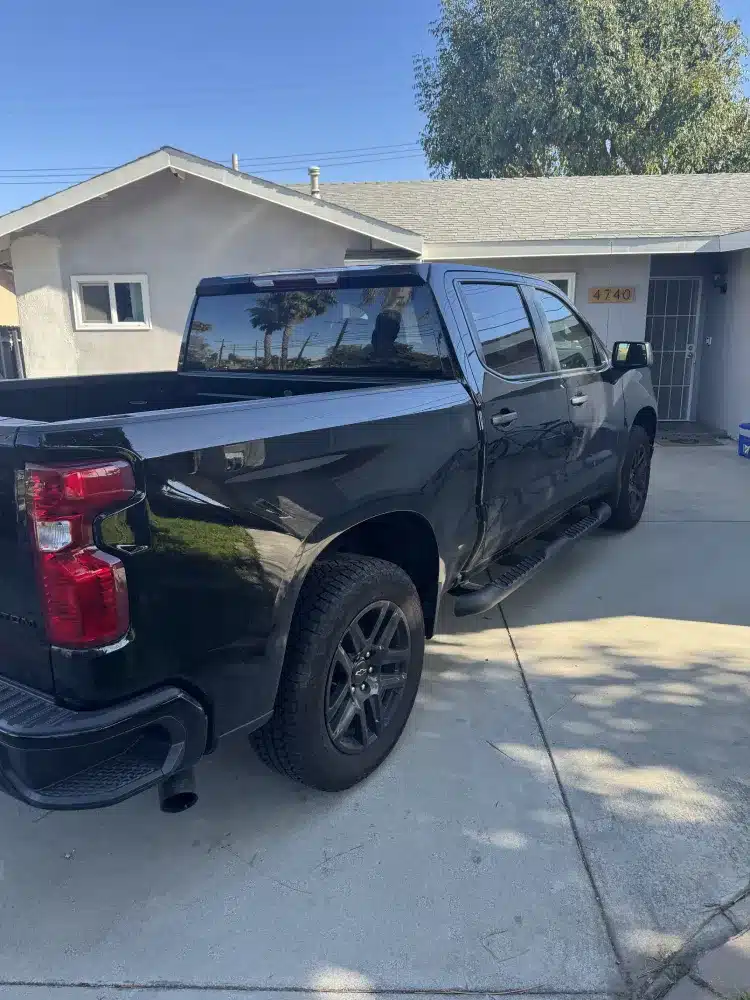
In vehicles with window tinting, the rear window often shows earlier signs of discoloration due to concentrated sun exposure and heat retention on sloped glass surfaces. This is especially noticeable in dyed films that lack ceramic reinforcement.
In another group of inspections involving Addison, IL, window tinting, bubbling was traced to installation-related moisture retention combined with high summer heat exposure. These cases highlight how environmental and installation factors can interact to accelerate failure.
Across multiple service evaluations, the conclusion remains consistent: long-term durability depends primarily on film composition and secondarily on installation quality.
Why Premium Tint Performs Differently
High-performance tint films replace unstable dyes with carbon or nano-ceramic materials that are chemically inert under UV exposure.
These materials offer several advantages:
- Stable molecular structure that does not oxidize
- High infrared heat rejection without fading
- Strong adhesive systems designed for automotive environments
- Long-term optical clarity retention
Unlike dyed films, ceramic and carbon films maintain consistent performance even under prolonged sun exposure, making them a preferred option in automotive protection applications.
Automotive Protection Perspective
Window tint is not just an aesthetic upgrade; it plays a functional role in vehicle preservation.
Properly installed, high-quality tint contributes to:
- Reduced interior fading on dashboards and upholstery
- Lower cabin temperature during heat exposure
- Improved HVAC efficiency and reduced fuel consumption load
- Increased comfort during long-term driving conditions
Conversely, low-quality tint often becomes a recurring maintenance issue due to frequent replacement needs and inconsistent performance.
About Xtreme Auto Glass & Window Tint
Xtreme Auto Glass & Window Tint focuses on precision installation and performance-driven film selection designed for long-term automotive durability.
The approach prioritizes:
- Ceramic and carbon-based film systems
- Controlled surface preparation before installation
- Contamination-free application environments
- Proper curing procedures to ensure adhesive stability
- Long-term clarity and UV protection performance
This process is designed to ensure that the installed tint performs reliably under real-world driving and environmental conditions, not just its initial appearance at installation.
Additional Market Insight
In regional automotive discussions involving Window Tinting, vehicles exposed to prolonged summer heat cycles often show faster degradation of dyed films compared to ceramic alternatives. The rear glass is especially vulnerable due to its angle and sustained solar exposure throughout the day.
Drivers researching window tinting in Addison typically focus on appearance or darkness level first, but long-term performance data consistently show that material type is the strongest predictor of durability and retention of clarity.
In Summary
Window tint failure is not random; it is the predictable result of material chemistry, environmental stress, and installation quality. Low-grade dyed films degrade quickly under UV and heat exposure, while premium ceramic and carbon systems are engineered for long-term stability and clarity.
Choosing the right film and ensuring proper installation is essential for avoiding bubbling, peeling, and discoloration over time.
For professional-grade installation and long-lasting automotive protection, Xtreme Auto Glass & Window Tint provides precision-driven solutions designed to preserve both performance and appearance.
Contact us today to schedule your installation and upgrade your vehicle’s protection and comfort.
FAQ (People Also Ask)
Why does the window tint bubble after installation?
Bubbling is usually caused by trapped moisture, contamination beneath the film, or adhesive breakdown from heat exposure.
Why does window tint turn purple?
Dyed films degrade unevenly under UV radiation, causing a chemical pigment imbalance that shifts color toward purple.
Can the bubbling tint be fixed without replacement?
No. Once adhesive failure or delamination begins, the film must be fully removed and replaced.
How long should high-quality window tint last?
Ceramic or carbon tint typically lasts between 8 and 15 years, depending on environmental exposure.
Does heat permanently damage window tint?
Yes. Repeated thermal cycling accelerates adhesive failure and dye breakdown, especially in low-quality films.