


Paint protection film (PPF) prevents rock chips, scratches, and road debris damage by acting as a transparent, impact-absorbing urethane layer that sits over your vehicle’s factory paint. It takes the force of gravel, sand, and highway debris and disperses it across the film’s surface, keeping the underlying clear coat intact. In practical driving conditions, this means fewer chips, fewer scratches, and a significantly longer-lasting factory finish.
For drivers researching paint protection film, this protection is especially relevant because mixed suburban and highway driving exposes vehicles to constant micro-impact damage that compounds over time, especially on front-end panels.
What Paint Protection Film Actually Does (Real-World Function)
Paint protection film is not a coating; it is a physical barrier. That distinction is critical. Unlike wax or ceramic coatings, which modify surface behavior, PPF is designed to absorb and redistribute impact energy.
Step-by-step impact behavior in real driving:
- A rock or road debris particle strikes the vehicle surface
- The TPU outer layer absorbs the initial kinetic force
- The film’s elastic structure spreads energy laterally
- The adhesive layer isolates the paint from direct damage
- The impact is reduced to a surface-level mark instead of a chip
In real-world terms, this is the difference between a visible paint chip and a minor mark that stays within the protective film layer.
Why Drivers Choose Paint Protection Film for Long-Term Protection
Modern drivers are keeping vehicles longer than ever, which makes paint preservation more important than simple appearance maintenance. PPF directly supports this goal by protecting against everyday wear patterns that accumulate over time.
Key benefits include:
- Prevention of rock chips on high-impact surfaces
- Reduction of swirl marks from washing and drying
- Protection from road salt and chemical contamination
- Resistance to bug acids and environmental fallout
- Shielding from light abrasions and surface scuffs
This makes it a core solution for Automotive Protection, Committed to Preserving Your Investment, Trusted by Automotive Enthusiasts and Luxury Car Owners who prioritize long-term exterior condition and resale value.
Paint Protection Film vs Other Protection Options
To understand its value, it helps to compare PPF with other common protection methods.
| Protection Type | Rock Chip Resistance | Scratch Resistance | Lifespan | Physical Barrier |
| Paint Protection Film | High | High | 7–10 years | Yes |
| Ceramic Coating | Low | Medium | 2–5 years | No |
| Wax | Very Low | Low | Weeks | No |
| No Protection | None | None | N/A | No |
The key difference is simple: only paint protection film provides true physical impact resistance. Coatings improve cleaning and gloss but cannot stop rock chips.
Where Damage Happens Most on Vehicles
Not all panels experience the same level of exposure. Understanding impact zones helps explain why partial or full coverage is used.
High-impact zones:
- Front bumper (direct debris impact)
- Hood leading edge (high-speed chip zone)
Moderate-impact zones:
- Side mirrors (road spray exposure)
- Door edges (parking contact risk)
- Rear wheel arches (tire-throw debris)
These areas consistently show the earliest signs of wear on unprotected vehicles, especially those driven frequently on highways.
Technical Breakdown: How PPF Is Built
Paint Protection Film (PPF)
A multi-layer urethane film designed to absorb impact energy while maintaining optical clarity and flexibility.
Thermoplastic Polyurethane (TPU)
A durable polymer base that allows the film to stretch under impact and return to shape without cracking.
Self-Healing Top Layer
A heat-activated surface layer that reduces the visibility of swirl marks and light scratches when exposed to warmth.
Hydrophobic Surface Treatment
A finish that helps repel water, dirt, and road grime for easier cleaning and reduced staining.
Optical Clarity Design
A manufacturing process that ensures the film remains nearly invisible and does not distort paint color or gloss.
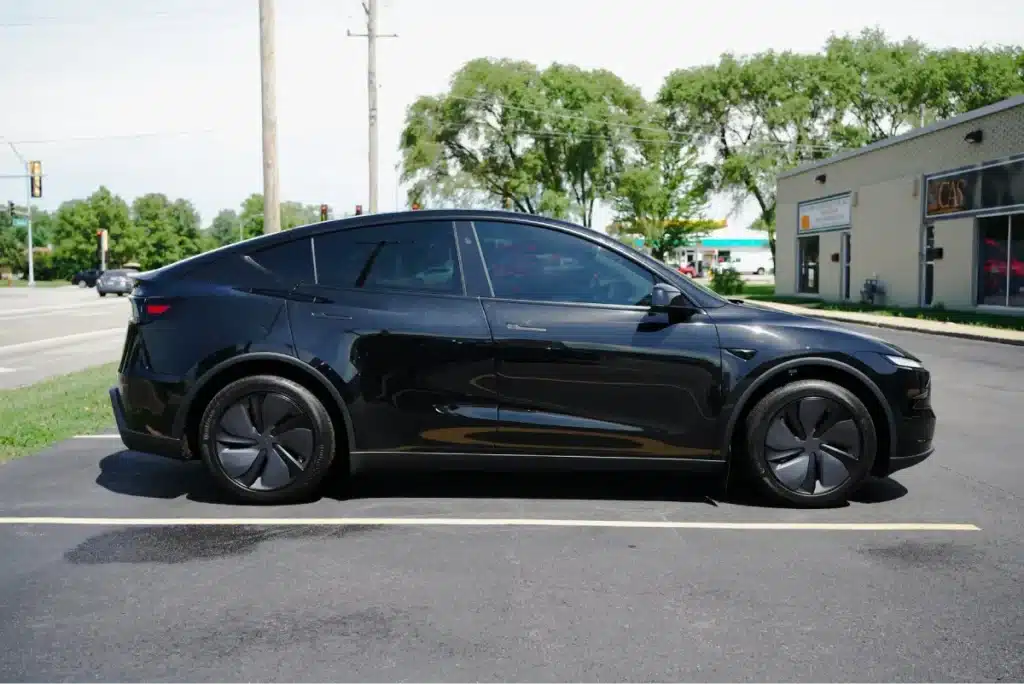
Real-World Driving Experience and Wear Patterns
In everyday driving, paint damage rarely comes from single catastrophic events—it builds gradually. Small stones, highway debris, and environmental contaminants slowly degrade unprotected paint surfaces.
Common issues seen on unprotected vehicles include:
- Front bumper chips within months of highway driving
- Hood edge pitting from repeated debris impact
- Swirl marks from automated or improper washing
- Fading or hazing from environmental exposure
Once paint is chipped, repair typically requires repainting or touch-up work, which rarely matches the factory finish perfectly.
With professional PPF installation, these same impacts are absorbed by the film layer instead of the paint, significantly reducing long-term cosmetic deterioration.
Local Driving Conditions and Protection Needs
Drivers in suburban and commuter-heavy environments experience a unique combination of exposure types:
- Highway debris at sustained speeds
- Construction gravel and loose aggregate
- Seasonal road salt and chemical exposure
- Frequent stop-and-go traffic abrasion
For example, in Downtown Wood Dale, daily commuters often experience repeated front-end impacts from debris near highway transitions, making early protection particularly beneficial.
Why Timing Matters
Applying protection early is more effective than repairing damage later. In cases involving paint protection film in Wood Dale, IL, technicians consistently observe that vehicles protected before visible damage develops maintain significantly better long-term paint condition than those treated after chips have already formed.
Once paint is chipped, PPF cannot restore lost material. It can only prevent further deterioration.
Preventive vs Reactive Protection
When considering paint protection film in Wood Dale, it is important to understand the difference between preventive installation and corrective repair.
Preventive installation:
- Protects factory paint from initial damage
- Maintains original finish integrity
- Reduces long-term repaint needs
Reactive repair:
- Addresses existing chips or scratches
- Often requires repainting or blending
- May not fully restore factory appearance
Preventive protection is significantly more cost-effective over the vehicle’s lifespan.
Environmental Exposure Factors
Vehicles in areas requiring Wood Dale, IL, paint protection film protection typically face mixed exposure conditions, including:
- Highway debris from commuter routes
- Urban dust and particulate buildup
- Seasonal temperature fluctuations
- Road salt during winter months
These conditions accelerate surface wear, especially on front-facing panels, making physical protection more valuable than cosmetic treatments alone.
Long-Term Value Perspective
Interest in Wood Dale paint protection film continues to grow as vehicle owners prioritize resale value and long-term appearance preservation. A well-maintained exterior directly impacts resale pricing, trade-in value, and overall perception of the vehicle.
PPF helps maintain:
- Original factory paint condition
- Gloss and clarity over time
- Reduced need for cosmetic refinishing
This is particularly important for vehicles intended for long-term ownership.
Common Misunderstandings About Paint Protection Film
“It is only for luxury cars.”
Incorrect. Daily-driven vehicles often benefit more because they are exposed to more consistent road debris and environmental wear.
“It damages paint when removed.”
Modern adhesive systems are engineered for safe removal when applied to properly cured factory paint.
“It reduces gloss.”
High-quality modern films are optically clear and often enhance gloss due to their smooth surface structure.
“Ceramic coating replaces it.”
Ceramic coatings improve cleaning ease but do not provide physical impact resistance.
Why Professional Installation Matters
Even premium film can fail if improperly installed. Correct installation ensures:
- Proper surface preparation before application
- Bubble-free adhesion across complex panels
- Clean edge wrapping to prevent lifting
- Long-term durability under heat cycles and washing
Poor installation is one of the leading causes of premature film failure, not the material itself.
About Professional Installation Services
At Xtreme Auto Glass & Window Tint, paint protection film installation is performed using precision-cut patterns and professional-grade application techniques designed to preserve factory paint and maintain optical clarity.
The process includes:
- Thorough surface cleaning and decontamination
- Precise panel alignment for seamless appearance
- Edge sealing techniques for long-term adhesion
- Quality inspection for clarity and finish consistency
The focus is on maintaining a factory-like appearance while delivering long-term protection against real-world road damage.
In Summary
Paint protection film remains the most effective method for preventing rock chips, scratches, and damage from road debris because it physically absorbs impacts rather than relying on surface-level protection.
For drivers who want to preserve factory paint quality, maintain resale value, and reduce long-term repair costs, Paint Protection Film is a practical preventive investment at Xtreme Auto Glass & Window Tint.
To protect your vehicle with professional installation and long-lasting results, contact us today to secure your vehicle’s finish before damage begins.
Frequently Asked Questions
Does paint protection film stop all rock chips?
It greatly reduces damage, but extremely high-impact debris may still leave surface impressions on the film.
How long does PPF last?
Most professional installations last between 7–10 years depending on conditions and maintenance.
Can it be applied to used vehicles?
Yes, as long as the paint surface is in good condition.
Does it require special maintenance?
No. Standard washing methods without abrasive materials are sufficient.
Will it turn yellow over time?
Modern films are UV-resistant and designed to prevent yellowing under normal conditions.